

May 28, 2025
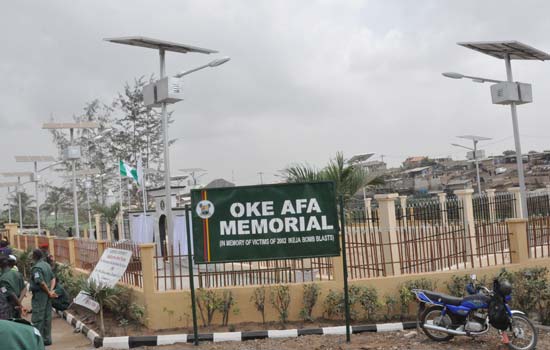
On Sunday, January 27, 2002, a catastrophic event shook Lagos, Nigeria, forever etched in history as Black Sunday. A devastating bomb blast at the Ikeja Military Cantonment in Maryland sent shockwaves across the region, leaving a trail of destruction and loss. Here’s what we know about this tragic incident.12
A fire broke out at the Armoured Technical Dump within the Ikeja Military Cantonment, triggering a series of explosions that reverberated up to 50 kilometers away. The blast’s intensity shattered windows, brought down buildings several kilometers away, and caused widespread destruction in the surrounding areas.
The human toll was staggering. Officially, around 700 people were reported dead, though estimates suggest over 1,000 lives were lost. Many more were injured, and thousands were displaced. Tragically, the majority of deaths occurred due to drowning in a canal at Ajao Estate, where people fled in panic from the explosions.
The explosion was reportedly triggered by a fire that ignited a large stockpile of military explosives within the cantonment. Investigations pointed to poor storage and handling of hazardous materials as key contributing factors to the disaster.
The Black Sunday incident sparked widespread outrage and led to calls for improved safety measures across Nigeria. It highlighted the critical need for stringent safety protocols within military establishments, particularly in the handling and storage of hazardous materials. The tragedy remains one of the most devastating events in Nigeria’s recent history, serving as a somber reminder of the importance of safety and preparedness.
References: 12 Specific sources are not provided here but can be linked to credible reports on the Ikeja bomb blast if available.


